
LPG / Propane Systems
LPG Facility Design, Turnkey Supply & Support
Utility Peak Shaving Natural Gas End User Back-Up Pre-Engineered Systems
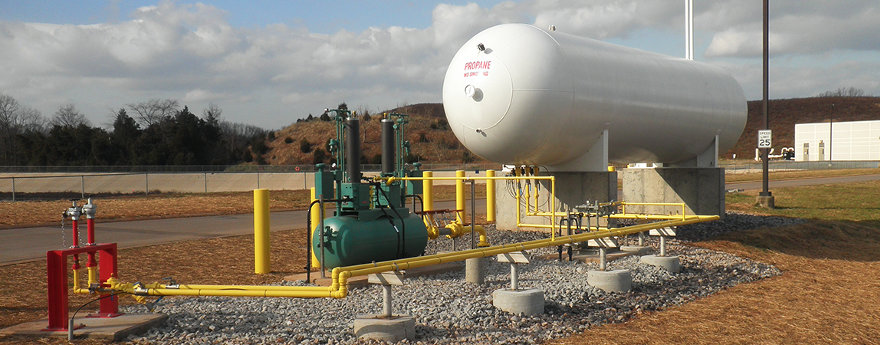
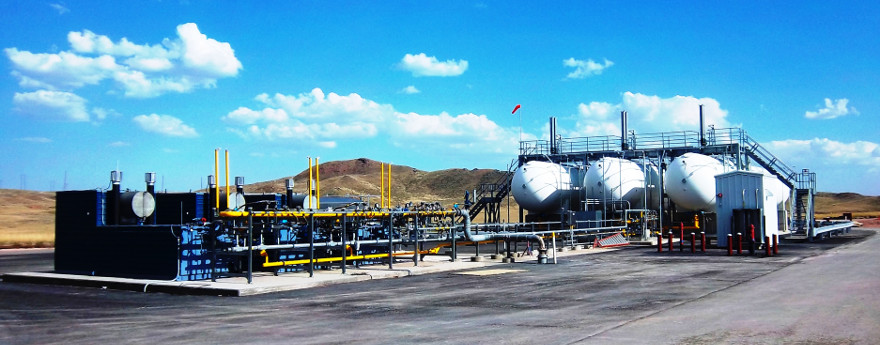
Standby Systems provides turnkey engineering, project management and equipment supply for construction of LPG-air facilities used by gas-distribution utilities and industrial / commercial gas consumers of every size. LPG-air systems help reduce the overall cost of natural gas supply while enhancing supply security.
While propane-air peak shaving and standby systems are most common, LPG feedstocks with high butane content are also utilized. By mixing LPG with air, a fuel gas is created with burning characteristics matching available natural gas. Thus, LPG-air mixtures can substitute for some or all flowing gas-energy supply. LPG-air systems are also deployed as base-load systems prior to connection of natural gas in a developing area. Undiluted LPG is of course also widely used around the world. Standby provides a full range of LPG and natural gas products and technical services across the gas-energy spectrum.
Bring more than 300 years of gas-energy experience to your project
Standby's LPG-air experience spans low-pressure standby systems supplying a few million btus per hour through ultra-large, high-pressure, fully-automated, utility peak-shaving plants exceeding 10 billion btuh energy flows. Our engineers, technicians and support personnel bring broad experience and strong industry relationships to every project. A commitment to continuous improvement in technologies, quality, and safety is evident in everything we do.
Cost Savings - See benefits enjoyed by owners of LPG-air systems.
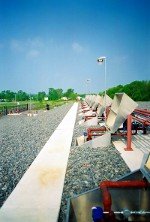
Utility Peak Shaving Systems
Natural gas distribution utilities use LPG-air peak-shaving systems during peak periods in consumer demand. LPG (propane in the USA) is stored at a site along the existing natural gas delivery system and is vaporized, mixed with air, and injected into the distribution system to supplement gas deliveries and shave the demand peak. In turn, the utility can purchase lower levels of contracted firm service from upstream transmission pipelines and related supply resources.
Standby Systems helps define and implement peak-shaving solutions from beginning to end - including life-cycle support for facilities of every size.
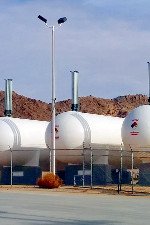
Natural Gas End User Back-Up Systems
Standby Systems supplies complete LPG-air back-up (standby) facilities for natural gas consumers. Like an electrical back-up generator, these systems are used to fully replace natural gas supply should supply be curtailed due to planned or unplanned events.
Reduced Natural Gas Costs: Interruptible / Curtailable Service
Many natural gas suppliers offer lower-cost supply when the purchaser agrees to curtail gas use upon request, LPG-air technology allows natural gas purchasers to reduce the delivered cost of natural gas while ensuring clean-burning gas energy is always available.
Security of Supply for Critical Infrastructure
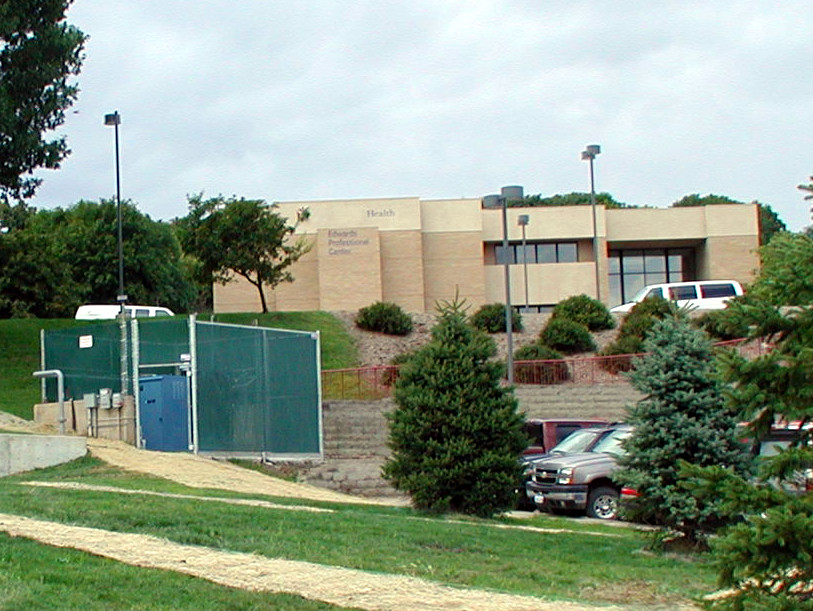
Hospitals, prisons, schools, and military bases are examples of critical facilities where a loss of natural gas supply can have serious consequences. Natural disasters, acts of terrorism, pipeline equipment failures and other events can cause supply disruption with little or no warning. LPG-air systems provide supply security under extreme circumstances, ensuring gas-energy keeps flowing to serve critical needs.
To learn more about propane-air back-up systems, read our downloadable Critical Infrastructure Fuel Systems document. For design assistance, please fill out our Design Engineer Form.
Pre-engineered Systems
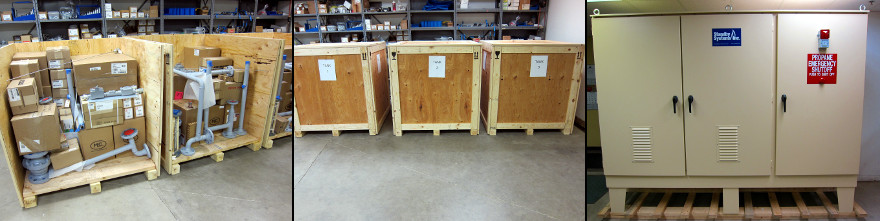
Shipped components are clearly labeled and tagged to be assembled per included P&ID.
i-Systems are pre-engineered propane-air and propane-vapor delivery systems:
- Packaged solutions that are simple to set up
- Easy to integrate with your existing infrastructure
- Support any capacity or pressure requirements.
We offer a full range of support services covering extended equipment life cycles.
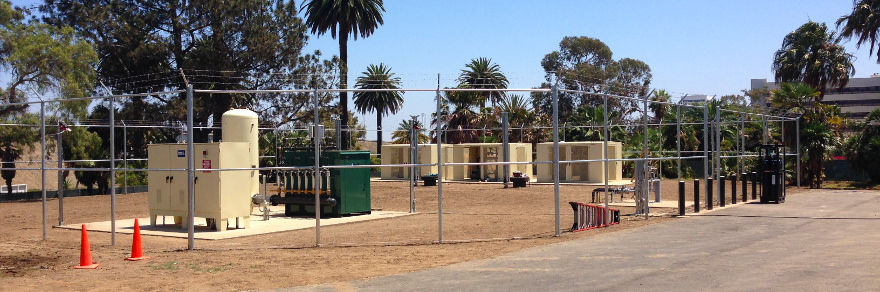
When the system arrives, components can be dropped in and easily integrated into the existing infrastructure.
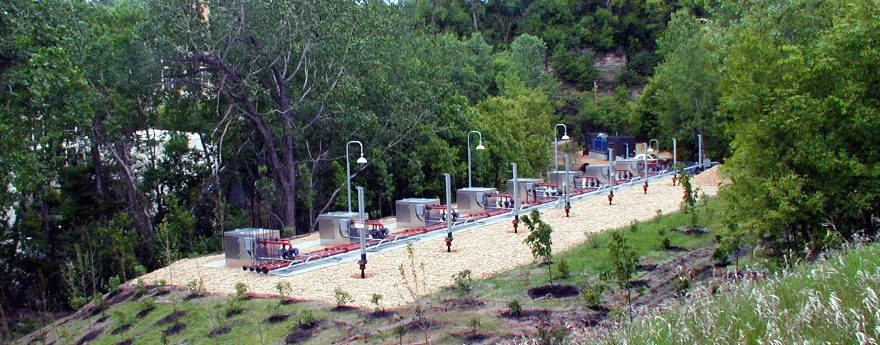
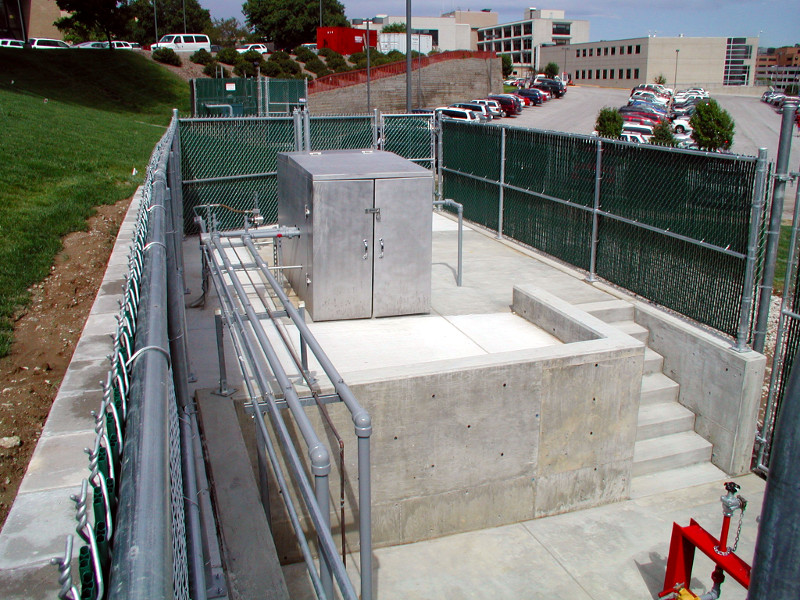
Underground 2000 Gallon Propane Tanks and Pump Cover
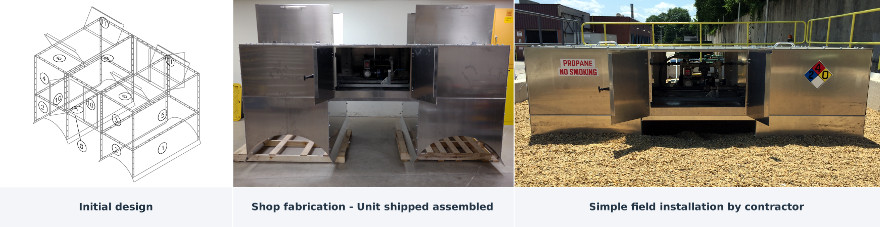
A secure and attractive enclosure for tank process valves and liquid pumps.
This enclosure houses tank process valves and a liquid pump for an underground tank configuration. Components are secured in an all aluminum enclosure (no paint, no rust) with numerous hinged and lockable equipment access panels.
The assembled enclosure was shipped to the job site as part of our pre-engineered "packaged solutions" approach.
Technical Information and Downloads
Industry Links
Contact
Standby Systems, Inc.
1313 Plymouth Avenue North
Minneapolis, MN 55411-4065 USA
Phone 612.721.4473
Fax 612.724.8434
Email info@standby.com
Copyright Standby Systems, Inc. 2016